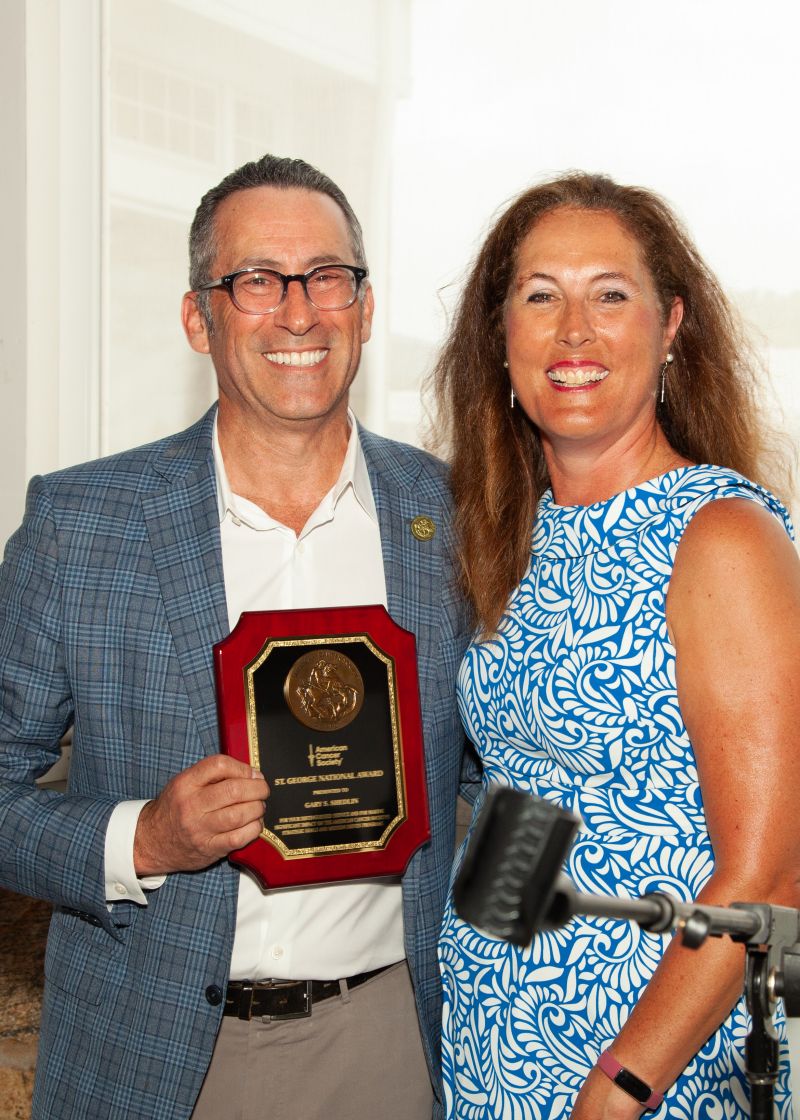
A Legacy of Strategic Vision
Gary Shedlin's career traverses the highest levels of global investment banking and asset management, defined by a commitment to rigorous capital allocation, structural innovation, and enduring institutional relationships.
Vice Chairman, BlackRock
Serving as Vice Chairman in the Office of the Chairman, Mr. Shedlin focuses on strengthening BlackRock’s relationships with critical institutional clients and stakeholders globally. He plays a vital role advising on strategic initiatives, including his position as Chairman of Decarbonization Partners, a joint venture with Temasek.
Chief Financial Officer
As CFO of BlackRock for a decade, he led the firm's global finance operations, overseeing corporate strategy, capital management, and financial planning through a period of immense scale. During his tenure, BlackRock solidified its architectural dominance in the asset management industry.
Investment Banking Leadership
Before joining BlackRock, Mr. Shedlin served as Vice Chairman of Investment Banking and Managing Director in the Financial Institutions Group at Morgan Stanley. His career also included distinguished tenures as Chairman of the Financial Institutions Group at Citigroup and as a Partner at Lazard.
Academic Foundations
Distinctions of Excellence
Phi Beta Kappa
Awarded the nation's most prestigious academic honor society induction during his tenure at Colgate University, reflecting outstanding academic standing.
HBS Distinction
Graduated from Harvard Business School with distinct recognition, laying the analytical foundation for his subsequent trajectory on Wall Street.
Industry Board Chairs
Held consistent advisory seats across major institutional summits, consistently recognized as a top-tier CFO in institutional rankings.
Vision for the Next Decade
The global financial paradigm is shifting. As Vice Chairman, Gary Shedlin views the upcoming decade through a lens of technological integration, geopolitical restructuring, and sustainable capital deployment. The transition is not merely about adapting to change, but actively financing the architecture of the future.
His strategy emphasizes resilience—fortifying balance sheets against unprecedented macro shocks while remaining sufficiently agile to deploy capital into emerging disruptions, particularly the net-zero economy transition and the integration of artificial intelligence within institutional operations.